
 adam william
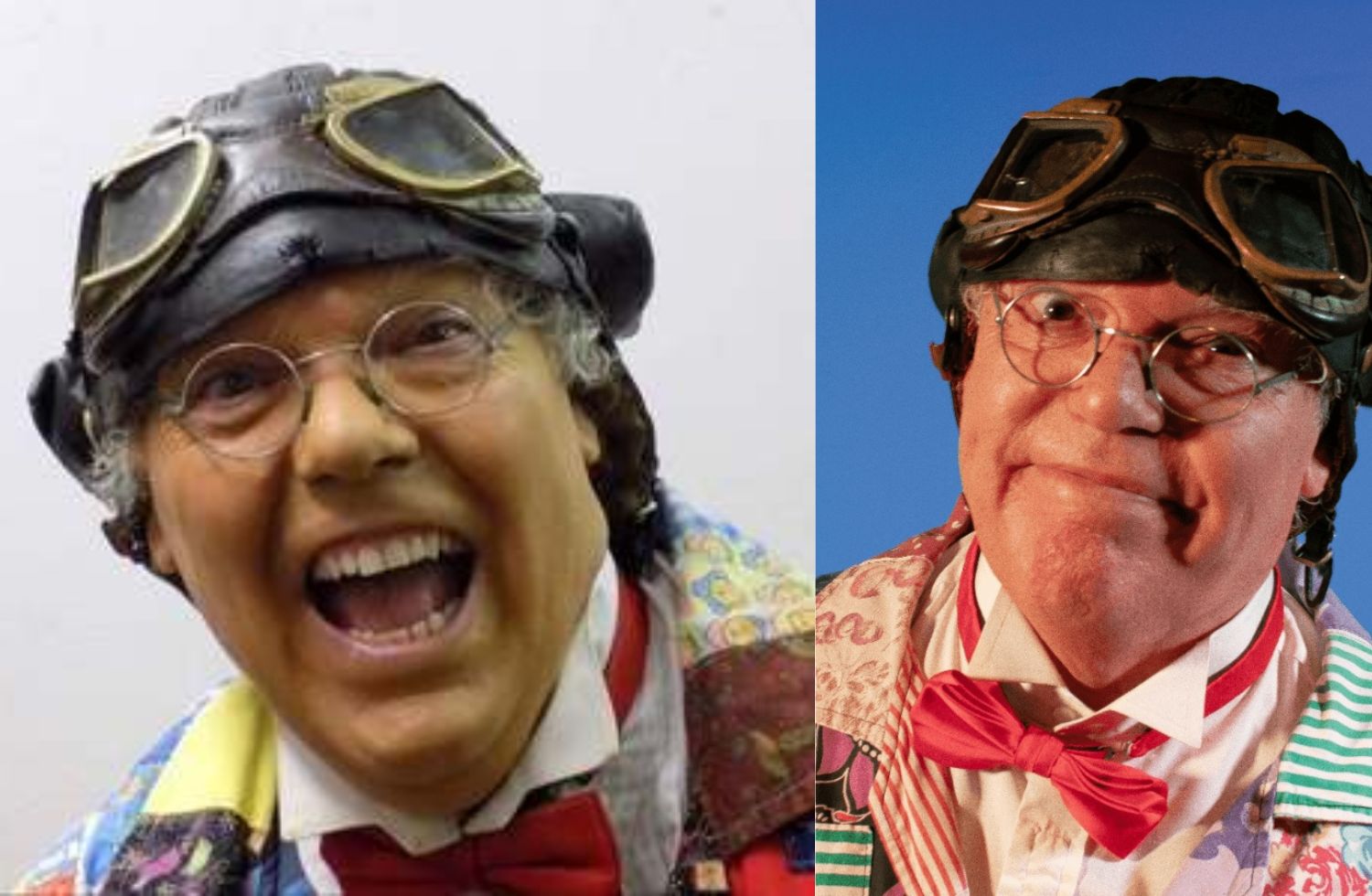
Roy Chubby Brown is one of the most recognizable and controversial figures in British comedy. Known for his unapologetically explicit humor, distinctive stage persona, and loyal fan base, he has carved out a unique place in the entertainment industry. While mainstream media has often criticized his style, his popularity among audiences has remained remarkably strong over the decades.
This detailed biography explores the life and career of Roy Chubby Brown, from his early beginnings to his rise as a cult comedy icon. It also examines his influence, controversies, and enduring legacy, providing readers with a comprehensive understanding of his journey in the world of stand-up comedy.

Who Is Roy Chubby Brown?
Roy Chubby Brown, born Royston Vasey on February 3, 1945, in Grangetown, Middlesbrough, England, is a British stand-up comedian and entertainer. He is best known for his blue comedy style, which includes adult humor, satire, and often controversial material.
Over the years, Roy Chubby Brown has become synonymous with a particular brand of British humor that pushes boundaries. Despite criticism, he has maintained a dedicated fan base and continues to perform live shows, demonstrating his lasting appeal in the comedy circuit.
Early Life and Background
The early life of Roy Chubby Brown was shaped by working-class roots in Northern England. Growing up in Middlesbrough, he experienced a modest upbringing that influenced his comedic perspective.
Before entering comedy, he worked various jobs, including as a door-to-door salesman. These experiences exposed him to a wide range of people and situations, which later became material for his performances. His background played a significant role in shaping the relatable yet edgy humor that defines his career.
Origin of the Stage Name
The stage name Roy Chubby Brown has an interesting origin. He initially performed under different names before adopting the persona that would make him famous.
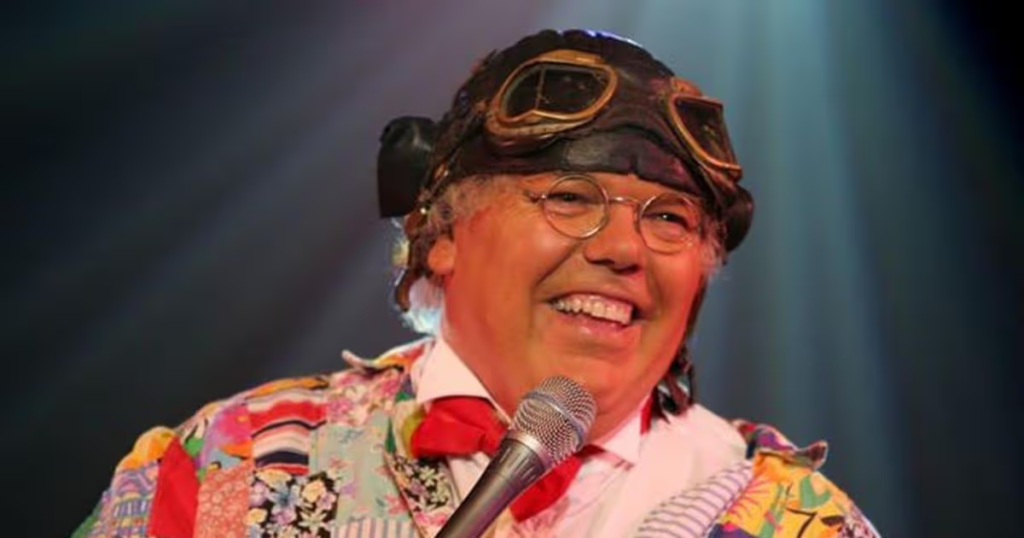
His choice of name was inspired by a desire to create a memorable and provocative identity. The character he developed included his signature leather headband, glasses, and bold stage presence, which became instantly recognizable to fans.
Early Career in Entertainment
Before gaining fame, Roy Chubby Brown worked as a club singer and entertainer. He performed in working men’s clubs across the UK, a common starting point for many British comedians.
These venues allowed him to refine his style and connect with audiences. His transition from singing to comedy marked a turning point in his career, as he discovered his talent for making people laugh.
Breakthrough in Stand-Up Comedy
The breakthrough for Roy Chubby Brown came when he fully embraced stand-up comedy. His performances quickly gained attention for their bold and unfiltered nature.
He became a regular performer in comedy clubs, building a reputation as a fearless entertainer. This period laid the foundation for his long-standing career in comedy.
Rise to National Fame
During the 1980s and 1990s, Roy Chubby Brown rose to national prominence. His live shows sold out across the UK, and his videos became bestsellers.
At a time when alternative comedy was emerging, he maintained his traditional club-style humor. This contrast helped him stand out and attract a loyal audience.
Signature Comedy Style
The comedy style of Roy Chubby Brown is often described as blue humor, characterized by explicit language and adult themes. His jokes frequently touch on social issues, stereotypes, and everyday life.
While some critics view his material as offensive, fans appreciate his honesty and comedic timing. His style remains a defining feature of his identity as a performer.
Audience Appeal and Fan Base
Despite controversy, Roy Chubby Brown has cultivated a strong and dedicated fan base. His audiences often consist of long-time supporters who appreciate his consistent style.
His ability to connect with working-class audiences has been a key factor in his success. This loyalty has allowed him to maintain a thriving career even without mainstream media support.
Television Appearances and Media Exposure
Although primarily a live performer, Roy Chubby Brown has made occasional television appearances. However, his explicit content has limited his exposure on mainstream TV.
Despite this, his popularity grew through DVD sales and live tours, proving that alternative distribution channels can sustain a successful career.
Live Tours and Performances
Live performances are the cornerstone of Roy Chubby Brown’s career. He continues to tour extensively, performing in theaters and clubs across the UK.
His shows are known for their energetic atmosphere and audience interaction. Touring has been a major source of his income and popularity.
Controversies and Criticism
Throughout his career, Roy Chubby Brown has faced significant criticism for his material. Accusations of offensive and inappropriate content have often surrounded his performances.
Despite this, he has defended his work as a form of free speech and comedy. The controversies have, in some ways, contributed to his notoriety and public profile.
Legal Issues and Public Reactions
There have been instances where shows featuring Roy Chubby Brown were canceled due to public backlash. Some venues have refused to host his performances.
These incidents highlight the ongoing debate about the limits of comedy. While critics argue against his content, supporters defend his right to perform.
Financial Success and Net Worth
Over the years, Roy Chubby Brown has achieved considerable financial success. His earnings come from live shows, merchandise, and video sales.
Although exact figures are not publicly confirmed, estimates suggest a comfortable net worth built through decades of consistent work in entertainment.

Personal Life and Relationships
In his personal life, Roy Chubby Brown tends to maintain privacy. He has been married and has children, though he rarely discusses his family publicly.
This separation between personal and professional life allows him to maintain focus on his career while protecting his loved ones.
Influence on British Comedy
The influence of Roy Chubby Brown on British comedy is undeniable. He represents a style that predates modern political correctness and continues to challenge boundaries.
While not universally accepted, his impact on the comedy scene is significant, particularly within club entertainment.
Comparison with Other Comedians
Compared to other comedians, Roy Chubby Brown stands out for his refusal to adapt to changing norms. While many performers evolve their material, he has remained consistent.
This consistency has been both a strength and a source of criticism, setting him apart in the industry.
Legacy and Cultural Impact
The legacy of Roy Chubby Brown is complex. He is both celebrated and criticized, reflecting broader cultural debates about humor and freedom of expression.
His long career demonstrates resilience and a deep connection with his audience.
Current Activities and Career Status
Even in recent years, Roy Chubby Brown continues to perform live shows. His ongoing activity highlights his enduring appeal.
He remains a prominent figure in the UK comedy circuit, attracting audiences across generations.
Conclusion
In conclusion, Roy Chubby Brown is a unique figure in British entertainment whose career spans decades of success and controversy. From humble beginnings to becoming a household name in certain circles, his journey reflects determination and individuality.
While opinions about his work vary widely, his impact on comedy and his loyal fan base cannot be ignored. His story offers valuable insight into the evolving nature of humor and audience expectations.
FAQs About Roy Chubby Brown
1. Who is Roy Chubby Brown?
He is a British stand-up comedian known for his explicit humor.
2. What is his real name?
His real name is Royston Vasey.
3. When was he born?
He was born on February 3, 1945.
4. Why is he controversial?
His comedy includes adult and often offensive material.
5. Is he still performing?
Yes, he continues to perform live shows.
6. What is his main audience?
He has a strong following among working-class audiences in the UK.